Affichage des archives de vendredi, 10 avril 2015
Choisissez l'archive désirée
Rapports
Activité solaire
Activité aurorale
Moderate G2 geomagnetic storm due to CME effects
Minor G1 geomagnetic storm levels have been observed according to the Wing-Kp index during the past 24 hours with the NOAA SWPC even reporting one period where the moderate G2 geomagnetic storming threshold was reached. Cause of this activity is a series of weak coronal mass ejection passages from likely a filament eruption and two lesser C-class solar flares. It was unsure if these coronal mass ejections would arrive at Earth but the solar wind data from ACE show two, possibly even three separate shock passages which managed to spark stunning aurora displays at high latitude locations during the past 24 hours. Keep on reading for some stunning auroral images taken the past night by photographers around the world.
Dernières nouvelles

X1.5 solar flare

M2.7 solar flare, CME arrival possible
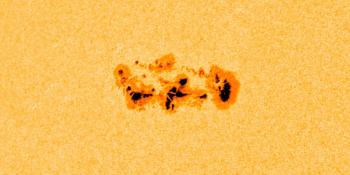
Complex sunspot region 4366
Forum
Aidez SpaceWeatherLive.com !
De nombreuses personnes consultent SpaceWeatherLive pour suivre l'activité solaire ou observer les aurores boréales, mais l'augmentation du trafic engendre des coûts plus élevés pour maintenir les serveurs en ligne. Si vous appréciez SpaceWeatherLive et souhaitez soutenir le projet, vous pouvez vous abonner pour un site sans publicité ou faire un don. Grâce à votre aide, SpaceWeatherLive restera accessible !



La Météo Spatiale en faits
| Dernière classe X | 30/03/2026 | X1.5 |
| Dernière classe M | 09/04/2026 | M1.0 |
| Dernier orage géomagnétique | 03/04/2026 | Kp7- (G3) |
| Jours sans taches solaires | |
|---|---|
| 365 derniers jours | 3 jours |
| 2026 | 3 jours (3%) |
| Dernier jour sans taches solaires | 24/02/2026 |
| Nombre mensuel moyen de taches solaires | |
|---|---|
| mars 2026 | 85.9 +7.7 |
| avril 2026 | 114.3 +28.4 |
| 30 derniers jours | 102.4 +48.5 |
