Przeglądasz Archiwum z piątek, 26 lutego 2016
Wybierz potrzebny element z archiwum
Raporty
Aktywność słoneczna
Aktywność zorzowa
Equatorial coronal hole faces Earth
The northern hemisphere polar coronal hole which we hoped would spark some aurora this week never really managed to influence Earth enough for some good auroral displays. The coronal hole was too far north on the solar disk and the most intense part of the solar wind stream went north of our planet. This means that the auroral activity was mostly quiet during the past few days. This could however change in the near future as an equatorial portion of this northern hemisphere polar coronal hole now faces Earth.
Najnowsze wiadomości
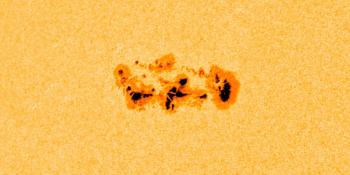
Complex sunspot region 4366

CME impact! S4 solar radiation storm

X1.9 solar flare with earth-directed CME
Najnowsze wiadomości z forum
Wesprzyj SpaceWeatherLive.com!
Wiele ludzi odwiedza stronę SpaceWeatherLive, aby śledzić aktywność słońca lub czy jest szansa na zobaczenie zorzy, ale większy ruch powoduje większe koszty utrzymania serwerów. Jeżeli podoba ci się strona SpaceWeatherLive i chciałbyś/chciałabyś wesprzeć ten projekt to możesz kupić subskrypcje aby uzyskać dostęp do strony bez reklam lub kupić darowiznę. Dzięki waszej pomocy, pomagacie utrzymać serwery SpaceWeatherLive!



Fakty na temat pogody kosmicznej
| Ostatnie rozbłyski klasy X | 2026/02/04 | X4.3 |
| Ostatnie rozbłyski klasy M | 2026/02/16 | M2.4 |
| Ostatnia burza geomagnetyczna | 2026/02/15 | Kp5+ (G1) |
| Dni bez plam słonecznych | |
|---|---|
| Ostatni dzień bez plamy słonecznej | 2022/06/08 |
| Średnia miesięczna liczba plam słonecznych | |
|---|---|
| stycznia 2026 | 112.6 -11.4 |
| lutego 2026 | 109 -3.6 |
| Ostatnie 30 dni | 126.1 +25.9 |