Przeglądasz Archiwum z piątek, 29 maja 2020
Wybierz potrzebny element z archiwum
Raporty
Aktywność słoneczna
Aktywność zorzowa
First M-class solar flare of a Solar Cycle 25 region!
925 days. That is the amount of time we had to wait since we last saw a M-class solar flare on the Sun. But today the wait is over. An impulsive M1.19 solar flare (minor R1 radio blackout) took place on our Sun this morning peaking at 07:24 UTC. NASA's Solar Dynamics Observatory seems to have taken a break from its sun-watching duty for some reason but STEREO Ahead captured the impulsive eruption confirming it comes from a sunspot region near the east limb from Earth's point of view. This sunspot region very likely belongs to Solar Cycle 25 due to its high latitude and it could even be the first M-class solar flare of Solar Cycle 25 depending on if we have passed solar minimum or not.
Najnowsze wiadomości
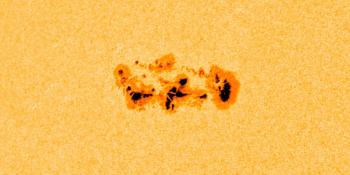
Complex sunspot region 4366

CME impact! S4 solar radiation storm

X1.9 solar flare with earth-directed CME
Najnowsze wiadomości z forum
Wesprzyj SpaceWeatherLive.com!
Wiele ludzi odwiedza stronę SpaceWeatherLive, aby śledzić aktywność słońca lub czy jest szansa na zobaczenie zorzy, ale większy ruch powoduje większe koszty utrzymania serwerów. Jeżeli podoba ci się strona SpaceWeatherLive i chciałbyś/chciałabyś wesprzeć ten projekt to możesz kupić subskrypcje aby uzyskać dostęp do strony bez reklam lub kupić darowiznę. Dzięki waszej pomocy, pomagacie utrzymać serwery SpaceWeatherLive!



Fakty na temat pogody kosmicznej
| Ostatnie rozbłyski klasy X | 2026/02/04 | X4.21 |
| Ostatnie rozbłyski klasy M | 2026/02/16 | M2.4 |
| Ostatnia burza geomagnetyczna | 2026/02/22 | Kp5+ (G1) |
| Dni bez plam słonecznych | |
|---|---|
| Ostatnie 365 dni | 3 Dni |
| 2026 | 3 Dni (5%) |
| Aktualny odcinek | 4 Dni |
| Średnia miesięczna liczba plam słonecznych | |
|---|---|
| stycznia 2026 | 112.6 -11.4 |
| lutego 2026 | 78.9 -33.7 |
| Ostatnie 30 dni | 86.6 -35.9 |