Przeglądasz Archiwum z niedziela, 31 maja 2020
Wybierz potrzebny element z archiwum
Raporty
Aktywność słoneczna
Aktywność zorzowa
Have we passed solar minimum?
The recent M-class solar flare from a sunspot region that belongs to Solar Cycle 25 was a wake up call for everyone who keeps an eye on the weather in space. Who would have thought that we would see an M-class solar flare while we are so close to solar minimum? Not many of us that's for sure. It raises yet again the question... When is solar minimum, or when was solar minimum? Could we have passed solar minimum? We have seen a couple of Solar Cycle 25 sunspot regions during the past few weeks and this M-class solar flare was another sign that we might have passed solar minimum already? Is Solar Cycle 25 really starting to gain traction? In this news item we will take a look at the evidence and present you with the data we need to draw a preliminary conclusion.
Najnowsze wiadomości

M2.7 solar flare, CME arrival possible
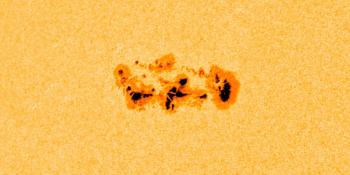
Complex sunspot region 4366

CME impact! S4 solar radiation storm
Najnowsze wiadomości z forum
Wesprzyj SpaceWeatherLive.com!
Wiele ludzi odwiedza stronę SpaceWeatherLive, aby śledzić aktywność słońca lub czy jest szansa na zobaczenie zorzy, ale większy ruch powoduje większe koszty utrzymania serwerów. Jeżeli podoba ci się strona SpaceWeatherLive i chciałbyś/chciałabyś wesprzeć ten projekt to możesz kupić subskrypcje aby uzyskać dostęp do strony bez reklam lub kupić darowiznę. Dzięki waszej pomocy, pomagacie utrzymać serwery SpaceWeatherLive!



Fakty na temat pogody kosmicznej
| Ostatnie rozbłyski klasy X | 2026/02/04 | X4.21 |
| Ostatnie rozbłyski klasy M | 2026/03/18 | M2.7 |
| Ostatnia burza geomagnetyczna | 2026/03/23 | Kp5 (G1) |
| Dni bez plam słonecznych | |
|---|---|
| Ostatnie 365 dni | 3 Dni |
| 2026 | 3 Dni (4%) |
| Ostatni dzień bez plamy słonecznej | 2026/02/24 |
| Średnia miesięczna liczba plam słonecznych | |
|---|---|
| lutego 2026 | 78.2 -34.3 |
| marca 2026 | 77.7 -0.5 |
| Ostatnie 30 dni | 72.3 -15.7 |