Coronal hole faces Earth
środa, 13 maja 2026 11:19 UTC

A coronal hole is facing our planet today which is sending a high speed solar wind stream towards us which could cause enhanced geomagnetic conditions (and thus aurora!) in the days ahead.
This coronal hole is pretty large and located right at the solar equator which means the solar wind stream will likely have a significant influence on the solar wind environment around our planet. Moderate G2 geomagnetic storm conditions (Kp6) are possible when the CIR (bunched up solar wind structure ahead of the high speed solar wind stream) arrives which will likely occur on Friday (15 May). The NOAA SWPC has also issued a G2 watch for this date. Should be a good aurora show for those in the southern hemisphere or those not plagued by the midnight sun in the nothern hemisphere. To learn more about coronal holes be sure to check out our help article.
When it comes to solar flares and sunspot regions things are sort of quiet. There are no noteworthy sunspot regions currently on the solar disk really worth mentioning. There is only a low chance of M-class activity in the next 24 hours.
Thank you for reading this article! Did you have any trouble with the technical terms used in this article? Our help section is the place to be where you can find in-depth articles, a FAQ and a list with common abbreviations. Still puzzled? Just post on our forum where we will help you the best we can!
Najnowsze wiadomości
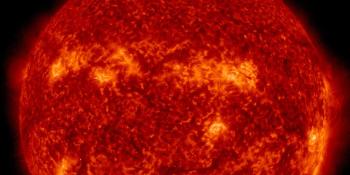
G3 geomagnetic storm watch for 4 and 5 June
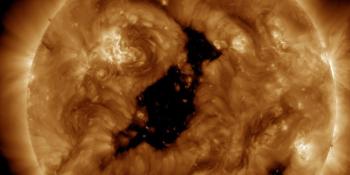
Coronal hole faces Earth

X1.5 solar flare
Najnowsze wiadomości z forum
Wesprzyj SpaceWeatherLive.com!
Wiele ludzi odwiedza stronę SpaceWeatherLive, aby śledzić aktywność słońca lub czy jest szansa na zobaczenie zorzy, ale większy ruch powoduje większe koszty utrzymania serwerów. Jeżeli podoba ci się strona SpaceWeatherLive i chciałbyś/chciałabyś wesprzeć ten projekt to możesz kupić subskrypcje aby uzyskać dostęp do strony bez reklam lub kupić darowiznę. Dzięki waszej pomocy, pomagacie utrzymać serwery SpaceWeatherLive!



Fakty na temat pogody kosmicznej
| Ostatnie rozbłyski klasy X | 2026/06/03 | X1.0 |
| Ostatnie rozbłyski klasy M | 2026/06/03 | M7.9 |
| Ostatnia burza geomagnetyczna | 2026/05/16 | Kp6- (G2) |
| Dni bez plam słonecznych | |
|---|---|
| Ostatnie 365 dni | 3 Dni |
| 2026 | 3 Dni (2%) |
| Ostatni dzień bez plamy słonecznej | 2026/02/24 |
| Średnia miesięczna liczba plam słonecznych | |
|---|---|
| kwietnia 2026 | 79.3 -6.6 |
| czerwca 2026 | 140 +60.7 |
| Ostatnie 30 dni | 97 +3.2 |