Arşiv Perşembe, 22 Şubat 2024 görüntüleniyor
İstenen arşiv öğesini seçin
Raporlar
Güneş aktivitesi
Auroral aktivite
X6.3 solar flare
Sunspot region 3590 does it again! It's third X-class soalr flare and the strongest solar flare of the currently Solar Cycle thus far peaking at a respectable value of X6.3 (R3-strong).
Did space weather really knock out cell phone service in North America?
It's a hot topic today... North America woke up this morning with nationwide cell phone outage for AT&T. Is this caused by the two X-class solar flares from sunspot region 3590? A lot of people seem to think that is the case but this is completely false. Christian Harris from Space Weather Trackers made a great post explaining why space weather is not to blame for this outage. Correlation is not causation. Read his post below!
Two X-class solar flares only 7 hours apart
Sunspot region 3590 which is located at a fairly high latitude produced two impulsive X-class events. The first solar flare peaked yesterday at 23:07 UTC with a maximum X-ray flux of X1.9 and the second solar flare peaked today at 06:32 with a maximum observed X-ray flux of X1.7. Both events caused a brief strong R3 radio blackout at the day-side of our planet.
Son haberler

X1.5 solar flare

M2.7 solar flare, CME arrival possible
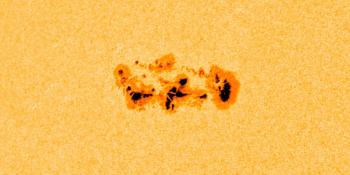
Complex sunspot region 4366
Güncel forum mesajları
SpaceWeatherLive.com'u Destekle!
Birçok insan SpaceWeatherLive'a Güneş aktivitelerini takip etmek ya da aurora görme şansı olup olmadığına bakmak için geliyor, ancak daha fazla trafikle birlikte sunucuları çevrimiçi tutmak da daha yüksek maliyetler gerektiriyor. SpaceWeatherLive'ı beğendiyseniz ve projeyi desteklemek istiyorsanız, reklamsız bir site için abonelik seçebilir veya bağış yapmayı düşünebilirsiniz. Sizin yardımınızla SpaceWeatherLive'ı çevrimiçi tutabiliriz!



Uzay Hava Durumu Gerçekleri
| Son X-patlaması | 2026/03/30 | X1.5 |
| Son M-patlaması | 2026/04/09 | M1.0 |
| Son jeomanyetik fırtına | 2026/04/20 | Kp5 (G1) |
| Lekesiz günler | |
|---|---|
| Son 365 gün | 3 gün |
| 2026 | 3 gün (3%) |
| Son lekesiz gün | 2026/02/24 |
| Aylık ortalama güneş lekesi sayısı | |
|---|---|
| Mart 2026 | 85.9 +7.7 |
| Nisan 2026 | 78.7 -7.2 |
| Son 30 gün | 91.5 +25.1 |