Arşiv Cuma, 16 Mayıs 2003 görüntüleniyor
Güneş aktivite raporu
Bu raporda bahsedilen herhangi bir güneş lekesi, Uzay Hava Tahmin Merkezi (SWPC) tarafından uygulanan bir ölçekleme faktörüne sahiptir. SWPC ölçekleme faktörü nedeniyle güneş lekeleri, bilimsel kalitedeki verilere göre %42 daha küçük olarak rapor edilmektedir. Ölçekleme faktörü, arşivlenmiş güneş lekesi verilerimizden kaldırılmıştır, bu da gerçek fiziksel birimleri yansıtmaktadır.
Solar-Jeofizik Aktivite Raporu 2003 May 16 2200 UTCNOAA © SWPC tarafından hazırlanmış ve SpaceWeatherLive.com tarafından işlenmiştir.
USAF/NOAA Ortak Güneş ve Jeofizik Aktivite Raporu
SDF Numarası 136, 16 May 2003 üzerinden 2200Z'de VerildiIA. 15-2100Z'den 16-2100Z'ye Solar Aktif Bölgelerin ve Aktivitenin Analizi Solar activity has been very low. No new regions were
numbered today.
IB. Güneş Aktivitesi Tahmini
Solar activity is expected to be very
low, with possible increase in activity over the next few days due
to returning regions emerging from the east limb.
IIA. Jeofiziksel Aktivite Özeti 15-2100Z ila 16-2100Z
The geomagnetic field has been at unsettled to active levels. Solar
wind velocity continues to decrease as the previous coronal hole
rotates across the west limb. The greater than 2 MeV electron flux
at geosynchronous orbit reached high levels today.
IIB. Jeofiziksel Aktivite Tahmini
The geomagnetic field is
expected to be at unsettled levels for the next two days, with
active conditions possible on day three of the period due to a
coronal hole passing into geoeffective position.
III. Olay Olasılıkları 17 May ila 19 May
| M Sınıfı | 05% | 10% | 10% |
| X Sınıfı | 01% | 01% | 01% |
| Proton | 01% | 01% | 01% |
| PCAF | green | ||
IV. Penticton 10.7 cm Akı
  Gözlemlendi       16 May 103
  Tahmin edildi   17 May-19 May  110/115/120
  90 Günlük Ortalama        16 May 124
V. Jeomanyetik A Endeksi
  Gözlemlendi Afr/Ap 15 May  019/023
  Tahmini     Afr/Ap 16 May  010/012
  Tahmin edildi    Afr/Ap 17 May-19 May  010/012-010/012-015/020
VI. Jeomanyetik Aktivite Olasılıkları 17 May ila 19 May
| A. Orta Enlemler | |||
|---|---|---|---|
| Aktif | 20% | 20% | 30% |
| Küçük fırtına | 10% | 10% | 15% |
| Büyük-şiddetli fırtına | 01% | 01% | 05% |
| B. Yüksek Enlemler | |||
|---|---|---|---|
| Aktif | 35% | 35% | 35% |
| Küçük fırtına | 15% | 15% | 20% |
| Büyük-şiddetli fırtına | 05% | 05% | 05% |
UTC'deki tüm zamanlar
<< Günlük genel bakış sayfasına git
Son haberler

Pazartesi, 30 Mart 2026
X1.5 solar flare

Salı, 17 Mart 2026
M2.7 solar flare, CME arrival possible
Pazar, 1 Şubat 2026
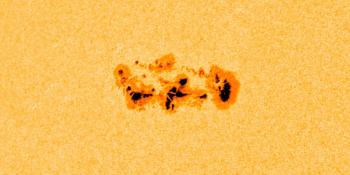
Complex sunspot region 4366
Güncel forum mesajları
Current Farside Activity 455AR4419 20Space Weather Watch App 15Filaments and prominences 545Comet C/2026 A1 (MAPS) for the southern hemisphere 67
Daha fazla konu
SpaceWeatherLive.com'u Destekle!
Birçok insan SpaceWeatherLive'a Güneş aktivitelerini takip etmek ya da aurora görme şansı olup olmadığına bakmak için geliyor, ancak daha fazla trafikle birlikte sunucuları çevrimiçi tutmak da daha yüksek maliyetler gerektiriyor. SpaceWeatherLive'ı beğendiyseniz ve projeyi desteklemek istiyorsanız, reklamsız bir site için abonelik seçebilir veya bağış yapmayı düşünebilirsiniz. Sizin yardımınızla SpaceWeatherLive'ı çevrimiçi tutabiliriz!



Uzay Hava Durumu Gerçekleri
| Son X-patlaması | 2026/03/30 | X1.5 |
| Son M-patlaması | 2026/04/09 | M1.0 |
| Son jeomanyetik fırtına | 2026/04/03 | Kp7- (G3) |
| Lekesiz günler | |
|---|---|
| Son 365 gün | 3 gün |
| 2026 | 3 gün (3%) |
| Son lekesiz gün | 2026/02/24 |
| Aylık ortalama güneş lekesi sayısı | |
|---|---|
| Mart 2026 | 85.9 +7.7 |
| Nisan 2026 | 89.7 +3.8 |
| Son 30 gün | 93.4 +33.3 |